What equipment do professional leak detectors use?
There is no single leak detector that finds every leak. A professional survey uses a kit of instruments, each of which measures something different: sound, temperature, gas, moisture or what can be seen through a small hole. The skill is in picking the right ones for the pipe and building in front of you, and in reading the results together.
The core kit for domestic and light commercial work usually includes:
- A leak noise correlator
- A ground microphone with amplifier and headphones
- A thermal imaging camera
- A tracer gas detector, with cylinders of hydrogen and nitrogen mix
- Moisture meters, both pin and non-invasive types
- An endoscope or inspection camera
- Pipe and cable locating equipment and pressure test gauges
The table below is a quick reference. The sections after it explain each tool in more detail.
| Tool | What it measures | Best at | Main limits |
|---|---|---|---|
| Leak noise correlator | Timing of leak noise at two points on a pipe | Long pressurised runs, especially metal pipe | Needs two access points and known pipe details. Weak on plastic |
| Ground microphone | Sound of escaping water at the surface | Pinpointing along a known pipe route | Background noise, deep pipes, soft ground, low pressure |
| Thermal imaging camera | Surface temperature | Heating pipes, hot water pipes, underfloor heating, damp mapping | Cannot see through materials. Needs a temperature difference |
| Tracer gas detector | Hydrogen escaping from a gas-filled pipe | Plastic pipes, slow leaks, under slabs | Pipe must be isolated and drained. Gas can travel sideways |
| Moisture meter | Relative moisture in materials | Mapping the extent of wetting | Shows where water is, not where it came from. Salts can mislead |
| Endoscope | What can be seen through a small opening | Voids, boxing, behind baths and units | Needs an access hole. Limited reach and view |
How does a leak noise correlator work?
Water forced out of a small hole in a pressurised pipe makes noise, and that noise travels along the pipe in both directions. A correlator places a sensor on the pipe at two points, for example at a stop tap and at a meter or fitting further along, with the leak somewhere between them. Both sensors record the noise, and the correlator works out the delay between the two recordings. Given the length of pipe between the sensors and the speed sound travels in that pipe, which depends on its material and diameter, it calculates where the leak must be.
On metal pipes a correlator can be very accurate. On plastic the sound fades quickly and the speed is harder to predict, so results are less reliable and short sensor spacing is needed. Accurate pipe length matters too, which is why the route is traced first. Our acoustic leak detection page explains how correlation and listening are combined on site.
What is a ground microphone used for?
A ground microphone is a very sensitive contact microphone placed on the surface above a pipe, connected to an amplifier and filters so the engineer can pick out the leak sound from traffic, pumps and household noise. The engineer moves it step by step along the pipe route, and the leak is usually where the sound is loudest.
It works through concrete, paving, tarmac and screed, and is used inside on solid floors as well as outside. It needs the pipe to be under pressure, and it gets harder with depth, with soft or waterlogged ground, and with very low flow leaks that make little noise. Survey work is often done early or late in the day for that reason, when roads are quieter.
Can a thermal imaging camera find every leak?
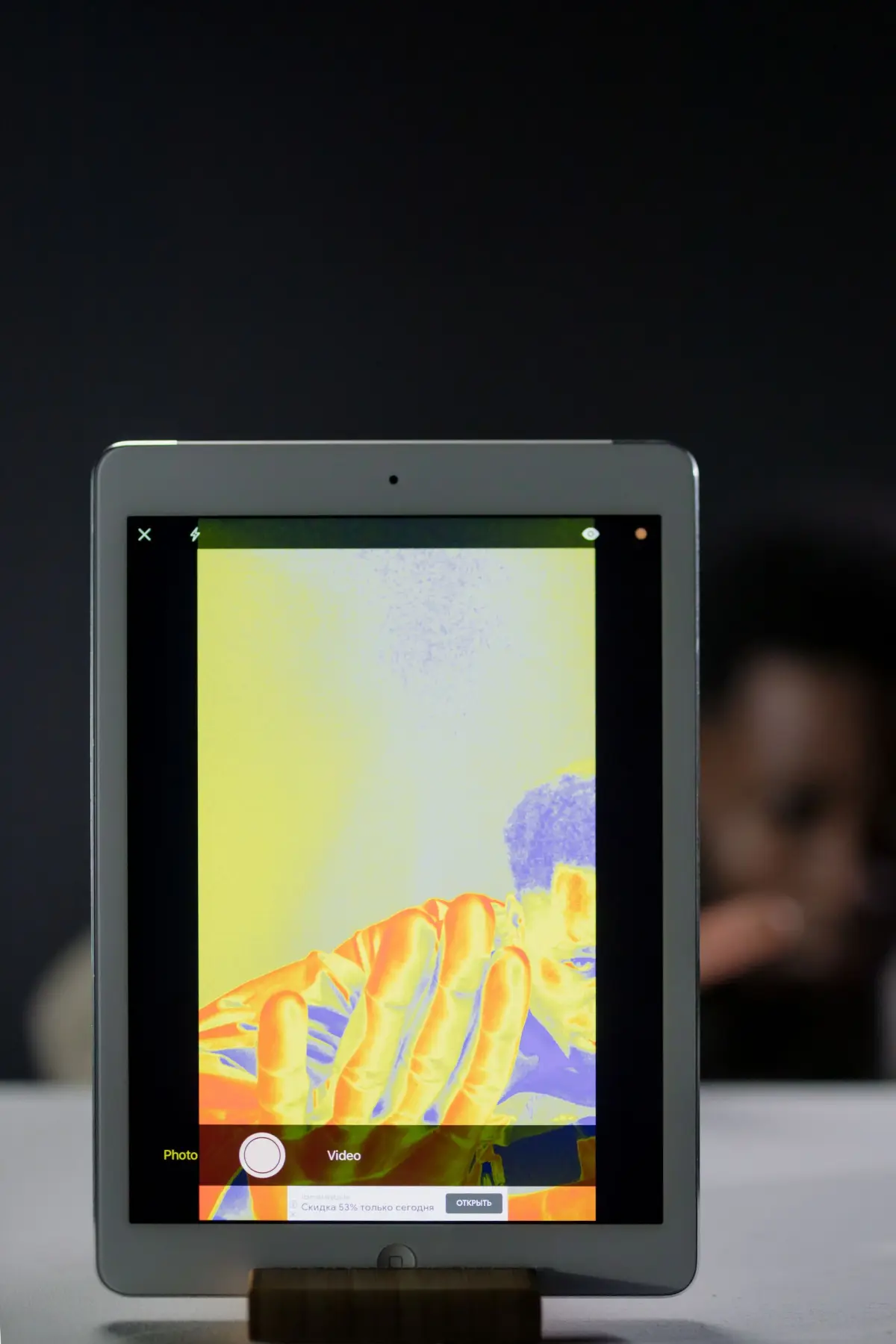
No. A thermal camera reads surface temperature and shows it as an image. It is excellent where the water is a different temperature from its surroundings, which makes it the first tool for central heating, hot water and underfloor heating leaks. Run the heating and the pipe routes appear as warm lines, and escaping water shows as a warm area that does not follow the pipe.
It is much weaker on cold water pipes, where there may be little temperature contrast, and it cannot see through anything. What it shows is the effect of the leak on the surface. Evaporation from damp plaster can show as a cool area, which helps with damp mapping but can also be confused with draughts or cold bridging. Camera resolution and the operator's understanding of reflections and emissivity make a large difference to what can be read from the image. There is more on the method on our thermal imaging leak detection page.
How does a tracer gas detector work?
For tracer gas testing, the suspect pipe is isolated and drained, then filled with a mix of 5% hydrogen and 95% nitrogen. This mix is widely classed as non-flammable. Hydrogen is the smallest molecule there is, so it escapes through the leak and moves up through soil, screed and joints in surface finishes. The detector is a sensor tuned to hydrogen, swept across the surface along the pipe route. The strongest reading marks the likely leak position.
Tracer gas is the method of choice for plastic pipes and slow leaks that make little noise. It depends on the pipe being isolated and emptied of enough water for the gas to reach the leak, and the gas can travel sideways under sealed surfaces before surfacing. We cover this in detail in our guide to tracer gas leak detection.
What do moisture meters actually measure?
Pin meters measure the electrical resistance between two probes pushed into a material. Non-invasive meters use a field from a pad on the surface. Both give a relative reading that suggests how wet one spot is compared with another. They are good for mapping how far water has travelled, for tracking drying and for recording evidence for an insurer.
They do not find the leak itself. Water spreads, so the wettest spot is not always above the source. Readings can also be pushed up by salts in old plaster, by metal behind the surface such as foil-backed plasterboard, and by some paints, so a high reading needs interpreting rather than taking at face value.
When is an endoscope or inspection camera used?
An endoscope is a small camera on a flexible or semi-rigid probe. Through a hole a few millimetres across, or an existing gap such as a removed bath panel, a floor void hatch or a light fitting, it lets the engineer look inside boxing, ceiling voids and cavities. It is used to confirm what the other tools suggest, for example to see a wet joint that the thermal image pointed to, before any bigger opening is made.
Its reach is limited to what can be seen from the access point, so it is a confirming tool rather than a search tool.
Why are consumer leak detectors different?
Most products sold to homeowners as leak detectors are alarms, not locators. A water sensor under a sink or next to a boiler sounds when its contacts get wet. Smart valves and flow monitors watch the incoming supply and alert you, or shut off the water, when they see a flow pattern that looks like a leak. These are useful for catching a burst quickly or telling you that a leak exists, but they do not tell you where a hidden leak is.
Budget moisture meters and phone thermal camera attachments can help a homeowner notice a problem, but they have lower sensitivity and resolution than survey equipment, and without experience in reading them it is easy to chase a cold bridge or a reflection. Our comparison of DIY and professional leak detection sets out what is realistic to try yourself.
When should you call a leak detection specialist?
Call a specialist when you know water is being lost, from a meter test, a heating system losing pressure or a damp patch that keeps growing, but you cannot see where it is coming from. Bringing the full kit to the problem is what keeps any opening small.
A thermal imaging survey is £150 to £250, acoustic detection is £150 to £300, tracer gas testing is £200 to £350 and a combined package is £250 to £500, all with a written report and on a no find, no fee basis. Call 020 3912 0200.
Frequently asked questions
What is the best equipment for leak detection?
It depends on the leak. Thermal imaging suits heating and hot water pipes, acoustic equipment suits pressurised metal pipes, and tracer gas suits plastic pipes and slow leaks. Most surveys use a combination.
Do leak detectors work through concrete?
Ground microphones and tracer gas detectors both work through concrete and screed, and thermal cameras can show heat from pipes in a screed. None of them see through the concrete itself.
Can a thermal camera find a cold water leak?
Sometimes, if the leak has cooled or wetted a surface enough to create a visible difference, but it is far less reliable than on heating pipes. Acoustic or tracer gas methods are usually better for cold water.
Are smart water leak detectors worth having?
They are useful for early warning and for shutting off the supply in a burst. They tell you a leak exists but not where a hidden one is.
Can you hire leak detection equipment?
Some tool hire firms rent basic thermal cameras and moisture meters. Correlators, ground microphone systems and tracer gas kits are specialist items that are harder to hire, and most of the value in a survey comes from knowing which tool to use and how to rule out false readings.
How accurate is professional leak detection equipment?
Used together by an experienced engineer, these tools can usually narrow a leak down to a small area, so the repair needs one targeted opening rather than exploratory work.